Bloomsbury to Covent Garden: Art, Ideas & Market Life
London
7 Stops
Visiting day
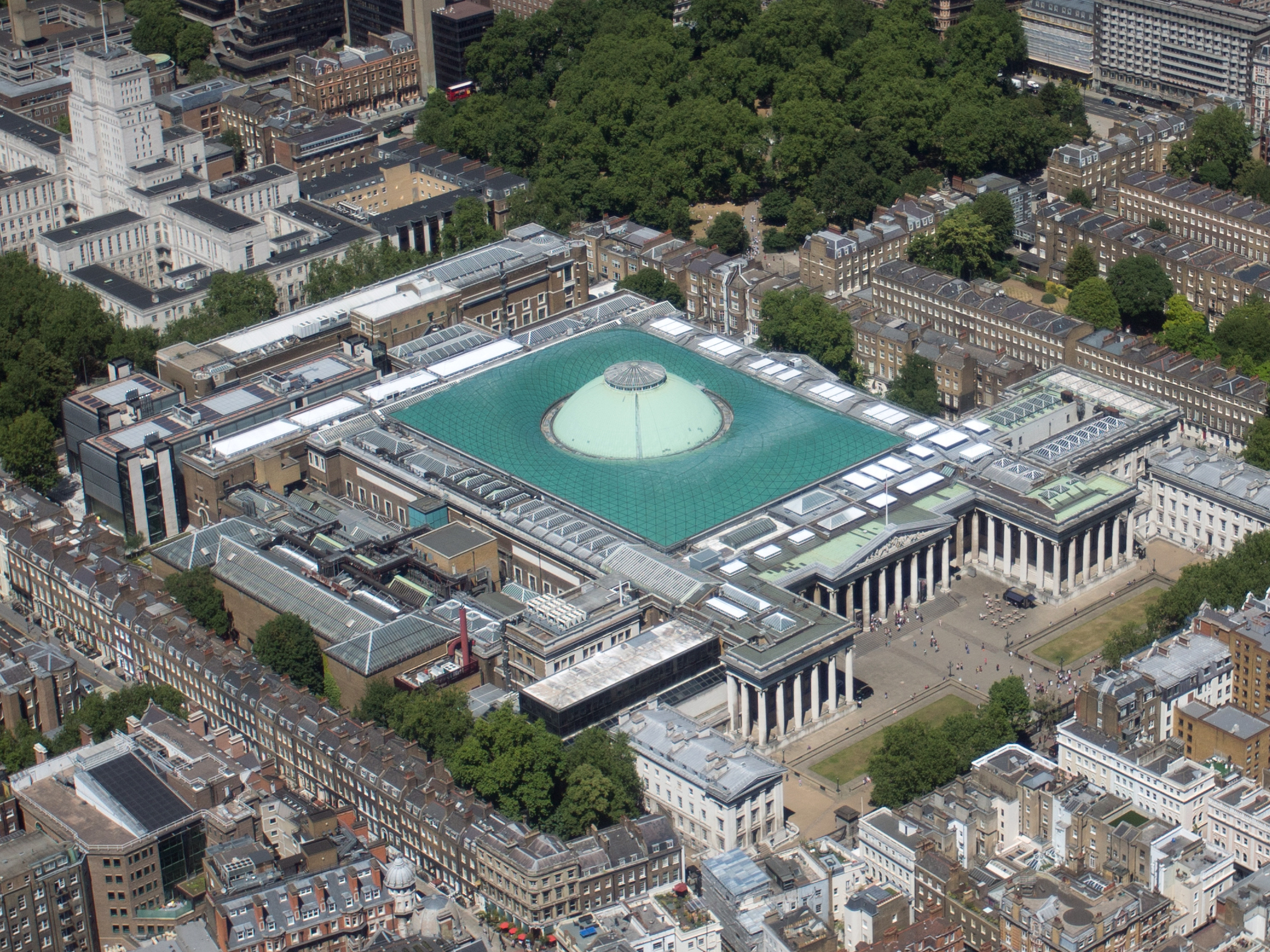
The British Museum's story begins not with a single grand vision, but with the passion of one man. Sir Hans Sloane was a physician, naturalist, and obsessive collector who spent his lifetime acquiring curiosities from around the world. When he died in 1753, he left behind over 71,000 objects—everything from ancient coins to exotic shells, manuscripts to anatomical specimens. Rather than see this collection scattered after his death, Sloane made a bold condition in his will: he would bequeath it to King George II for the nation, but only if the public could see it. Parliament agreed, paying his heirs £20,000 for a collection valued at five times that amount. It was an extraordinary act of generosity that created something revolutionary: the first public national museum open to all, not just the wealthy elite. The collection started in Montagu House, a 17th-century mansion on Great Russell Street in Bloomsbury, when it opened to the public in 1759. But success brought a crisis. As the collection grew—swelled by donations, acquisitions, and the spoils of empire—Montagu House burst at the seams. In 1823, the old mansion was demolished to make way for something grander. Sir Robert Smirke designed a building in the Greek Revival style that would take three decades to complete, finally finished in 1852. This wasn't just a bigger building; it was a statement. Those classical columns and pediments declared that human knowledge and culture deserved a temple as magnificent as any built in ancient Athens. Throughout the 19th and 20th centuries, the museum continued to evolve.
Practical Info
Verified May 2026
Accessibility
The British Museum is largely accessible for wheelchair users and those with mobility difficulties. The main entrance via the Great Court is step-free, and lifts serve most galleries. The Reading Room requires stairs, but viewing is available from the Great Court level. Accessible toilets are located throughout the building. Visitors with strollers should note some gallery spaces are narrow. The museum is a 5-minute walk from Tottenham Court Road station (step-free access via lifts) and 10 minutes from Russell Square station. Booking free tickets online is strongly recommended, especially during busy periods, and allows priority entry.
British Museum
1 / 7 · 120 min